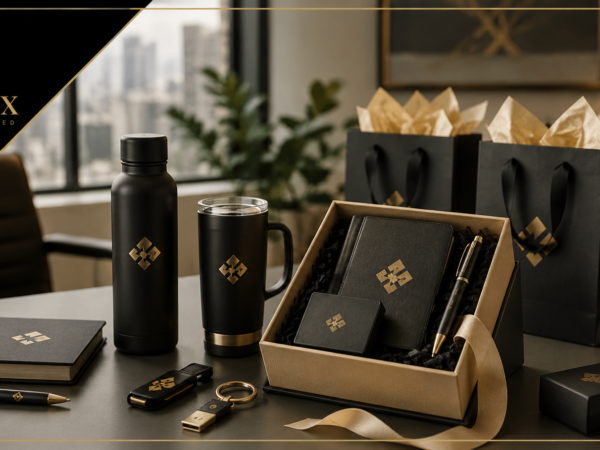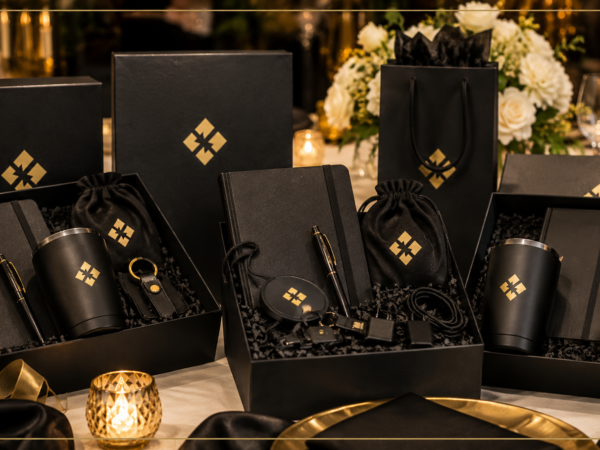




Corporate gifts for employees work best when they recognize a clear moment, suit the people receiving them, and provide real value after the box is opened. The strongest employee gifts are not necessarily the most expensive. They are useful, appropriate, well presented, and connected to a specific reason for appreciation.
A thoughtful employee gift can welcome a new hire, celebrate a promotion, mark a work anniversary, recognize excellent performance, or thank a team after a demanding project. Each of these occasions requires a different message and, in many cases, a different gift direction.
The best approach is to begin with three questions:
- Why are you giving the gift?
- Who will receive it?
- What should the employee feel or understand after receiving it?
Once those questions are answered, choosing corporate gifts for employees becomes easier. HR, management, and procurement teams can compare products based on relevance instead of simply selecting what is available in bulk.
This guide covers the best gifts for employees across different occasions, team structures, and recognition levels. It also explains how to manage personalization, branding, packaging, budgeting, delivery, and supplier selection without making the gift feel generic or unfair.
What Makes Corporate Gifts for Employees Effective?
Corporate gifts for employees are effective when they feel like recognition rather than routine distribution. Employees should understand why the gift is being given and what contribution, milestone, or moment it represents.
A successful gift usually combines five elements:
| Element | What It Means | What to Avoid |
| Clear purpose | The gift marks a specific occasion or achievement | Giving gifts without explaining the reason |
| Employee relevance | The products suit the team’s needs and routines | Choosing items only because they are available |
| Fairness | Similar achievements receive comparable recognition | Visible differences without a clear reason |
| Useful presentation | Products and packaging work together | Filling a large box with unrelated items |
| Reliable execution | Every employee receives a complete gift on time | Missing products, damaged boxes, or late delivery |
The purpose should shape the entire project. A new employee needs a gift that supports belonging and onboarding. A high performer may need something more personal and achievement-focused. A large team receiving a seasonal gift may need consistency, flexible product choices, and reliable multi-location delivery.
Starting with corporate gift concept design helps connect the occasion, employee group, products, message, and visual direction before production begins.
Why Employee Gifts Sometimes Miss the Mark
Many employee appreciation gift ideas look attractive in a catalog but do not create the intended response. The problem is usually not the product itself. It is the lack of a clear connection between the gift and the employee.
Common reasons employee gifts feel forgettable include:
- The same generic box is used for every occasion.
- The products are heavily branded but not useful.
- The gift does not match the employee’s role or working style.
- The message is general and does not explain what is being recognized.
- Some team members receive noticeably better gifts without a clear reason.
- The box contains many low-value fillers instead of a few relevant products.
- Remote employees receive their gifts much later than office-based employees.
The gift should not feel like leftover corporate merchandise. Even simple products can feel meaningful when the occasion, message, and presentation are properly connected.
A carefully edited set of custom corporate gift boxes can provide a more coherent experience than purchasing unrelated products from several suppliers and assembling them at the last minute.
Choosing Employee Gifts by Occasion
The occasion is one of the strongest factors in choosing corporate gifts for employees. It determines the tone, gift level, personalization, and message.
Onboarding New Employees
An onboarding gift introduces the employee to the company’s culture and working environment. It should help the person feel expected and prepared, not simply provide branded products.
Useful onboarding options may include:
- A quality notebook and writing tool
- A reusable bottle or travel mug
- A laptop sleeve or work bag
- Desk accessories
- A welcome card from the team
- A simple guide to the company or first week
- Role-specific items where appropriate
The box should feel consistent with the company’s identity, but the logo does not need to appear on every item. One or two well-branded details are often enough.
Employee Appreciation and Performance Recognition
Performance gifts should make the achievement visible and specific. The employee should know what action, result, or contribution led to the recognition.
Suitable occasions include:
- Exceeding a target
- Solving an important problem
- Leading a successful project
- Supporting another department
- Receiving strong client feedback
- Demonstrating company values
- Completing a demanding deadline
The message matters as much as the product. A personalized note from a manager can turn a standard gift into a meaningful recognition moment.
Structured employee recognition gifts can help companies create different gifting levels for individual achievements, team results, and long-term milestones.
Work Anniversaries
A work anniversary gift should reflect the length and importance of the employee’s contribution. A one-year anniversary does not need the same gift level as a five-, ten-, or fifteen-year milestone.
A tiered system may include:
- A thoughtful practical gift for early anniversaries
- A personalized premium product for longer service
- A curated box and leadership message for major milestones
- A VIP-level gift for retirement or exceptional tenure
The system should be documented so employees with similar service periods receive comparable recognition.
Promotions and New Responsibilities
A promotion gift can support the employee’s transition into a new role. Professional accessories, premium work essentials, leadership books, travel items, or a personalized desk piece may suit this occasion.
The message should focus on trust and future responsibility, not only past performance.
Project Completion
Teams often receive verbal thanks after a demanding project, but a physical gift can make the appreciation more visible.
For project completion, consider:
- A shared team box
- Individual products with a project-specific message
- Food or beverage sets
- Wellness gifts after a demanding period
- A small celebration combined with individual gifts
The gift should arrive close to the achievement. Recognition loses some of its impact when it is delayed for several months.
Ramadan, Eid, and Year-End Gifting
Seasonal gifts often involve larger employee groups and fixed deadlines. This makes early planning, product availability, and delivery coordination especially important.
Seasonal corporate gifts can include products, packaging, and messaging developed around Ramadan, Eid, year-end, or company celebrations without repeating the same design every season.
Corporate Events and Team Gatherings
Employee gifts can support conferences, internal launches, annual meetings, training days, retreats, and company celebrations.
The gift should connect to the event rather than feel like a general giveaway. Well-planned corporate event gifts may include event-specific accessories, travel products, useful technology items, or products connected to the event theme.
Best Gifts for Employees by Use Case
There is no single product that qualifies as the best gift for every employee. The right category depends on team size, occasion, work environment, preferences, and available budget.
Practical Office Essentials
Office essentials remain useful when the quality is better than what employees would normally receive as promotional merchandise.
Examples include:
- Premium notebooks
- Quality pens
- Desk organizers
- Laptop stands
- Document folders
- Cable organizers
- Reusable bottles
- Insulated mugs
These products work well for onboarding, company anniversaries, and wider employee groups. They should be selected for quality and usability rather than logo visibility alone.
Technology Accessories
Technology products can suit office-based, hybrid, and remote employees.
Possible options include:
- Wireless chargers
- Power banks
- Portable speakers
- Quality headphones
- Multi-port charging accessories
- Laptop sleeves
- Phone stands
- Travel adapters
Compatibility should be checked before ordering. A product that only works with a limited group of devices may create unnecessary problems.
Wellness and Self-Care Gifts
Wellness products can recognize effort and encourage employees to take a real break. Suitable directions include relaxation sets, quality drinkware, comfortable work accessories, journals, or carefully selected self-care products.
Avoid products that make assumptions about an employee’s health, appearance, diet, or personal habits. Neutral wellness gifts are usually safer for mixed teams.
Food and Beverage Boxes
Food boxes can work well for Ramadan, Eid, year-end, project completion, and company celebrations.
Before finalizing them, consider:
- Dietary restrictions
- Allergies
- Product shelf life
- Storage conditions
- Delivery temperature
- Cultural and religious suitability
- Whether the items can be shared with family
Food should not be used as a filler simply to make the box look full. A smaller selection of better products usually creates a stronger impression.
Travel and Commuting Products
Travel organizers, compact chargers, luggage accessories, insulated bottles, and work bags can suit employees who travel or commute regularly.
These products are especially relevant for sales teams, consultants, managers, field employees, and teams attending corporate events.
Personalized Business Gifts
Personalization can make standard products more meaningful. It may include:
- The employee’s name
- Initials
- A milestone date
- A role or achievement
- A short message
- A team or project reference
Not every product needs individual customization. Sometimes a personalized message card provides enough recognition without increasing production complexity.
Flexible or Choice-Based Gifts
When a team has different ages, roles, locations, and personal preferences, giving employees a controlled choice can reduce the risk of selecting unsuitable products.
A company may offer two or three approved directions, such as:
- Technology
- Wellness
- Food and beverage
- Work essentials
- Travel
Choice-based gifting works best when the options are similar in perceived value. One option should not clearly appear more premium than the others.
Eco-Conscious Gifts
Reusable products, durable accessories, locally made items, recyclable packaging, and reduced plastic can support a more responsible gifting approach.
The gift should still be useful. Sustainability should influence product and packaging decisions rather than appear only as a label on the box.
Employee Gift Decision Matrix
The following matrix can help HR and procurement teams choose an appropriate gift level.
| Occasion | Suitable Gift Direction | Personalization Level | Recommended Presentation |
|---|---|---|---|
| New employee onboarding | Practical work essentials | Light to medium | Branded welcome box |
| General employee appreciation | Useful lifestyle or office products | Medium | Simple curated box |
| High performance | Premium product or selected set | High | Achievement-focused presentation |
| Work anniversary | Tiered gift based on service period | Medium to high | Milestone message and premium packaging |
| Promotion | Professional or leadership-related gift | High | Personalized box or main product |
| Team project completion | Shared theme with individual items | Medium | Project-specific packaging |
| Ramadan or Eid | Seasonal food, lifestyle, or family-sharing products | Light to medium | Occasion-specific box |
| Retirement or major service milestone | High-value personalized gift | High | VIP presentation |
The matrix should guide the decision, not replace employee knowledge. A company may need to adjust the direction for different departments, locations, or working arrangements.
How to Keep Employee Gifting Fair
Fairness does not mean every employee must always receive the same item. It means the reason for differences should be clear, consistent, and connected to measurable criteria.
A strong gifting policy may define:
- Which occasions qualify for a gift
- The gift level for each occasion
- Service-year milestones
- Performance recognition criteria
- Approval responsibilities
- Available personalization levels
- How remote and office employees are included
- How substitutions are handled
For example, a five-year service gift may be more premium than a general seasonal gift because it recognizes a different level of contribution. The distinction should be part of a consistent policy rather than an individual manager’s preference.
Employee gifts should also remain separate from client appreciation gifts. Client and employee gifting may use similar products, but the purpose, message, and criteria are different.
Personalization Without Creating Problems
Personalization can improve employee appreciation gift ideas, but it also introduces practical risks. Misspelled names, incorrect titles, outdated addresses, or unsuitable preferences can make the gift feel careless.
Before production, verify:
- Full employee names
- Preferred name format
- Job titles where included
- Work anniversary dates
- Delivery addresses
- Product preferences
- Clothing sizes where relevant
- Dietary information for food gifts
- Correct achievement or milestone
For large teams, it may be better to personalize the message card and packaging label rather than every product. This provides a personal touch while reducing errors and production time.
Branding Employee Gifts Carefully
Employees already know which company they work for. The gift does not need to repeat the logo on every surface.
Branding should support the experience rather than dominate it. Appropriate options include:
- A logo on the outer box
- Company colors inside the packaging
- A subtle logo on one useful product
- A branded card or sleeve
- An internal pattern based on the brand identity
- An event or milestone message
A structured branded corporate gifts process can help maintain logo placement, colors, and messaging without making the gift feel like advertising merchandise.
The employee should feel comfortable using the products outside the office. If the branding is too large or repetitive, even a high-quality product may remain unused.
Packaging Is Part of Employee Recognition
Packaging influences the employee’s first impression and protects the contents during delivery. It should match the gift level and occasion.
Effective packaging should:
- Hold every item securely
- Open easily
- Use an appropriate box size
- Present the products in a logical order
- Include space for the message
- Protect products during transportation
- Remain consistent across every employee box
A large box with too much empty space can make the gift feel less valuable. Excessive fillers can also create unnecessary waste.
Premium corporate gift packaging can bring the box structure, inserts, materials, colors, and opening experience together as one part of the recognition program.
Planning Gifts for Remote and Hybrid Employees
Remote and hybrid teams require the same level of recognition as employees working from the main office. However, individual delivery creates additional planning requirements.
Confirm:
- The employee’s current address
- Whether the address can receive deliveries
- Preferred delivery times
- Mobile number for the courier
- Regional delivery limitations
- Tracking procedures
- What happens after a failed delivery
- How address information will be protected
Avoid creating two visibly different experiences unless there is a practical reason. Remote employees should not receive a lower-quality box simply because it needs to be shipped individually.
A professional corporate gifting services provider can help coordinate assembly, quality checks, labeling, and delivery for employees across several locations.
Building a Realistic Employee Gifting Budget
The budget should reflect the occasion, number of recipients, customization level, and delivery requirements.
The full project cost may include:
- Gift products
- Custom branding
- Personalized cards
- Box production
- Internal inserts
- Assembly
- Quality control
- Individual labeling
- Storage
- Local or multi-location delivery
- Replacement units
Do not spend the entire budget on the main products while leaving too little for packaging and fulfillment. A strong product can still create a weak experience if it arrives damaged or poorly presented.
A simple three-level structure can help:
Standard Recognition
Suitable for company-wide seasonal gifting, general appreciation, and onboarding.
Premium Recognition
Suitable for promotions, strong performance, project leadership, and important milestones.
VIP Recognition
Suitable for long-service awards, retirement, senior leadership recognition, and exceptional achievements.
Broader corporate gifting solutions can be compared before choosing the most suitable direction for each employee group.
How to Choose a Corporate Gift Supplier
A corporate gift supplier should help the company move from the recognition objective to the finished delivery. Showing a large catalog is not enough.
Ask potential suppliers:
- Can the gifts be adapted for different employee groups?
- Is there a minimum quantity?
- Can we approve a digital mockup or physical sample?
- How are employee names and addresses managed?
- Which branding methods are available?
- How is product quality checked?
- What happens if a selected item becomes unavailable?
- Can individual boxes be delivered to different locations?
- How are damaged or incomplete gifts replaced?
- What production timeline is realistic?
The supplier should also be honest about limitations. If the deadline is too short for full customization, a reliable partner should recommend a simpler direction rather than promise an unrealistic result.
Learning more about The Box Concept can help companies understand the role of design, branding, packaging, fulfillment, and delivery within a complete gifting process.
Common Employee Gifting Mistakes
Giving Without a Clear Reason
A gift creates more meaning when employees understand what it recognizes. Include a specific message instead of a general thank-you line.
Treating Every Occasion the Same
Onboarding, performance, Ramadan, retirement, and project completion require different tones and product levels.
Choosing Products Only for Branding Space
A large printable surface does not make an item useful. Begin with employee value, then decide how the brand should appear.
Making the Box Too Busy
More products do not automatically create a better gift. A few coordinated products often feel more thoughtful and premium.
Forgetting Remote Employees
Remote team members should be included in the same planning process and receive gifts within a similar timeframe.
Ignoring Employee Differences
Strong fragrances, clothing sizes, food restrictions, and highly personal products may not suit everyone. Use neutral options or provide a controlled choice.
Creating Visible Unfairness
Different gift levels should be based on clear occasions, achievements, or service milestones. Avoid unexplained differences within the same employee group.
Planning Too Late
Late planning limits product choice, customization, sampling, and delivery control. Fixed occasions should be scheduled well in advance.
Employee Gifting Approval Checklist
Before approving corporate gifts for employees, confirm that:
- The occasion and recognition objective are clear.
- The recipient list is accurate.
- Employees are grouped using fair criteria.
- The products suit the team’s working style.
- Personalization data has been checked.
- Dietary, size, and compatibility issues have been considered.
- Branding is controlled and usable outside the office.
- Packaging protects the products.
- A sample or mockup has been approved.
- Delivery addresses are current.
- Remote and hybrid employees are included.
- Substitution rules are documented.
- Quality control covers every box.
- The budget includes fulfillment and delivery.
- The message explains what is being recognized.
More corporate gifting guides can support future planning for employee, client, event, and seasonal gifting programs.